Project 11 · Original studio concept

Bohm. Matter is frozen light.
Concept · Direction · Visual Development Original TCTS studio concept Title-sequence exploration
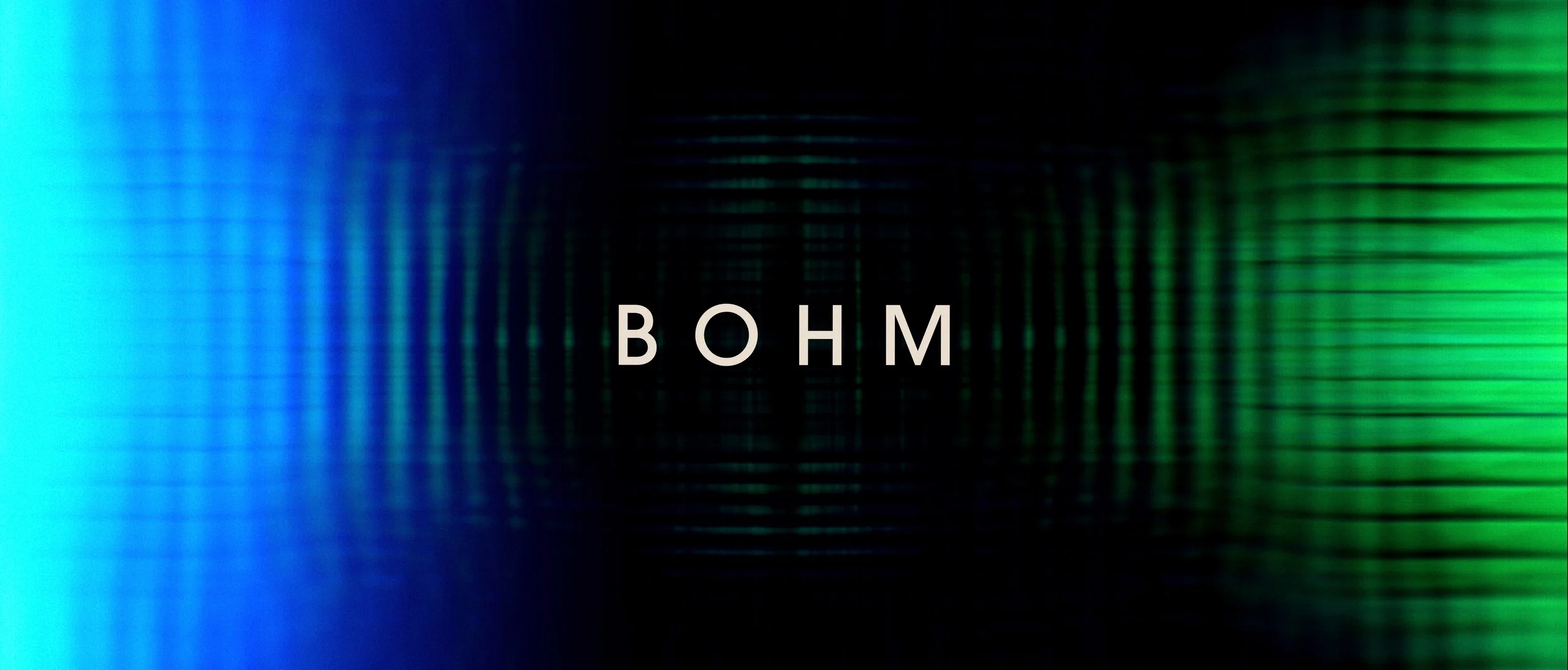
Bohm title held within a field of blue and green vibratory light
Project
Bohm
Format
Title-sequence concept
Context
Original TCTS studio exploration
Subject
Light · Matter · Vibration · Coherence
Role
Concept
Direction
Visual Development

What if matter behaved like illuminated rhythm?

Developed as an original TCTS studio concept, Bohm takes physicist David Bohm’s proposition that matter is “frozen light” as the starting point for a cinematic title world.

Rather than treating matter as fixed form, the project imagines reality as a dynamic field of energy and vibration, with structure emerging from deeper processes.

Light folds into geometry. Motion becomes form. Typography is suspended between solid and fluid states.

The work searches for a visual language between physics, philosophy and cinema — not an illustration of theory, but an atmosphere through which it can be felt.

Before colour, the structure of movement.

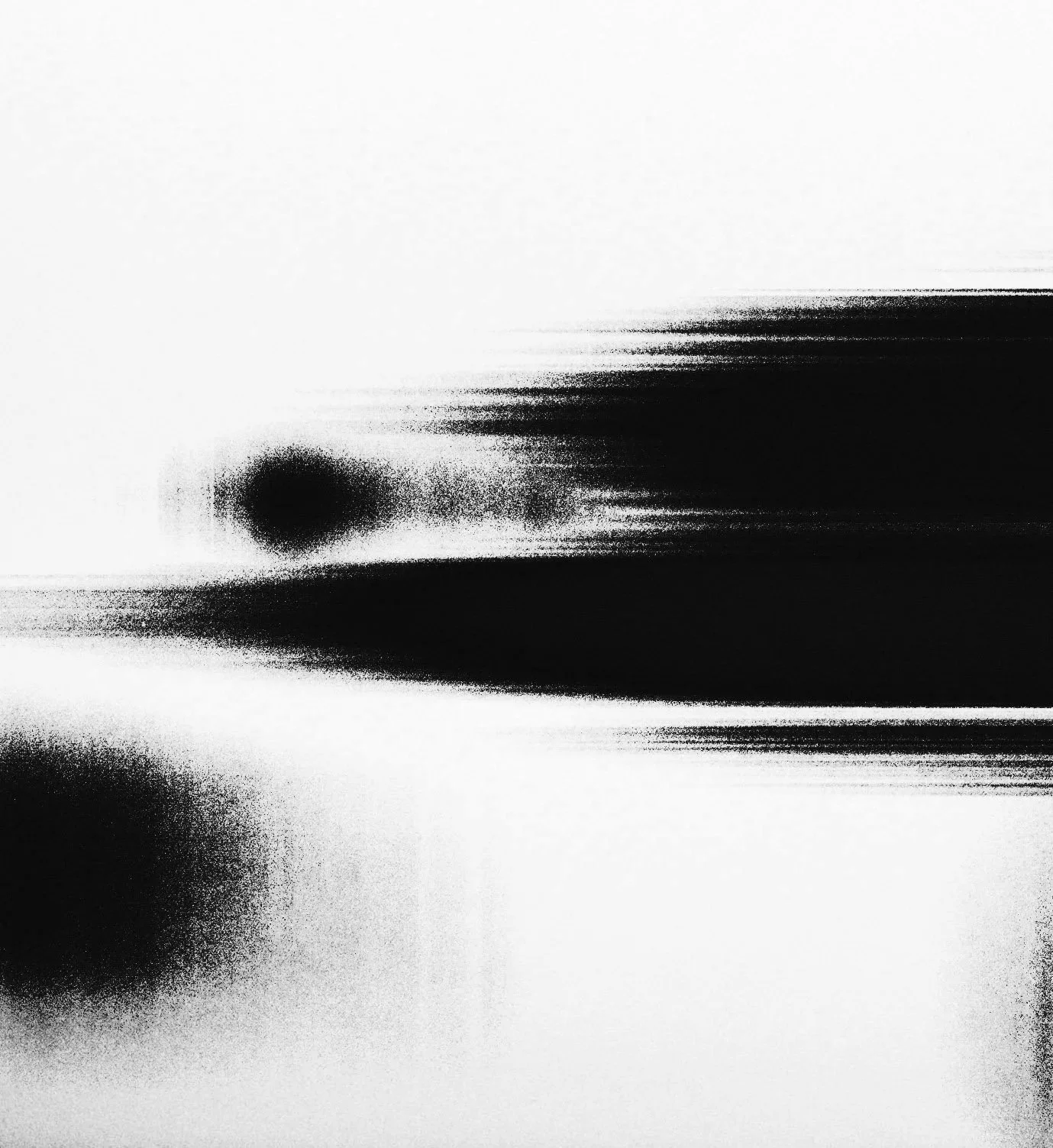
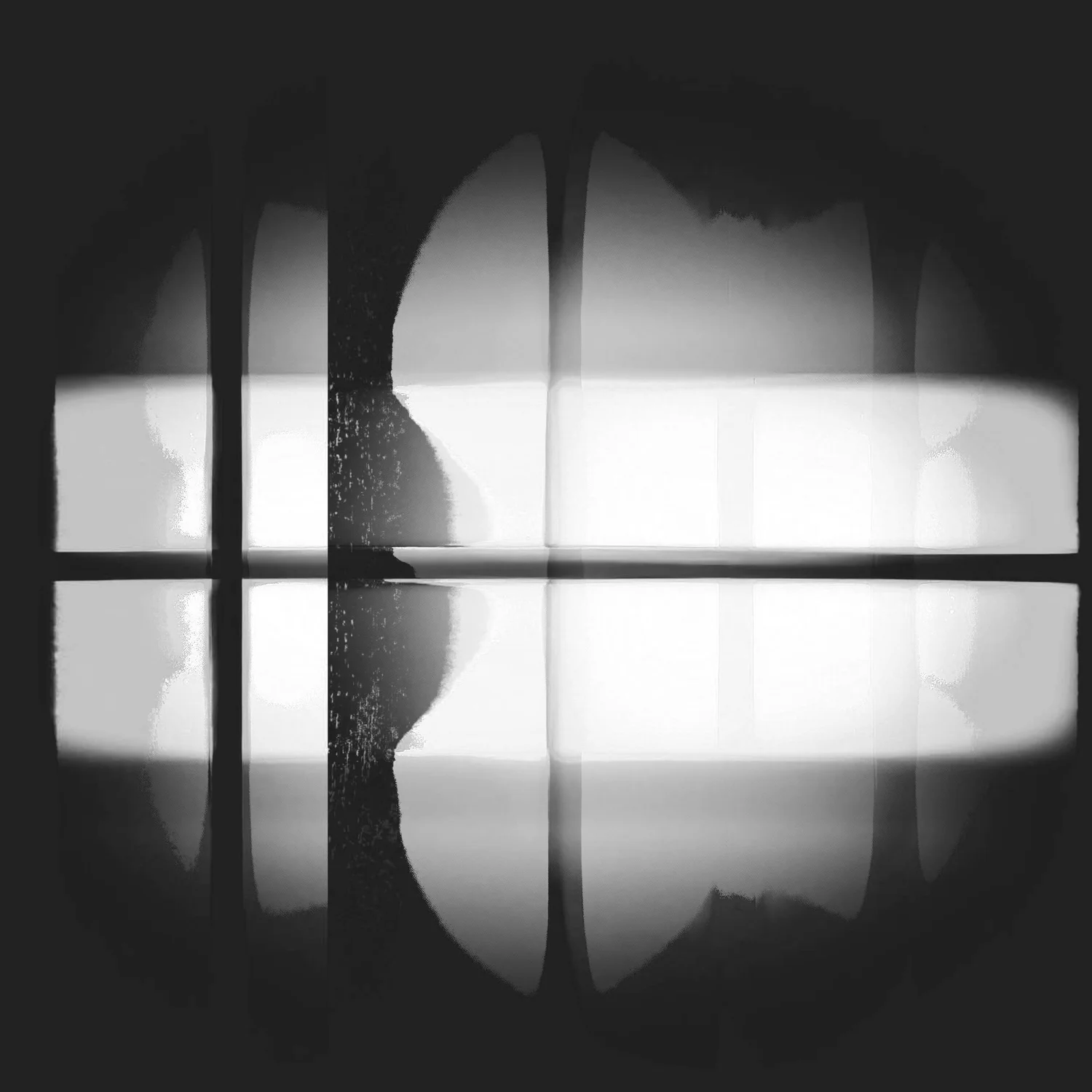
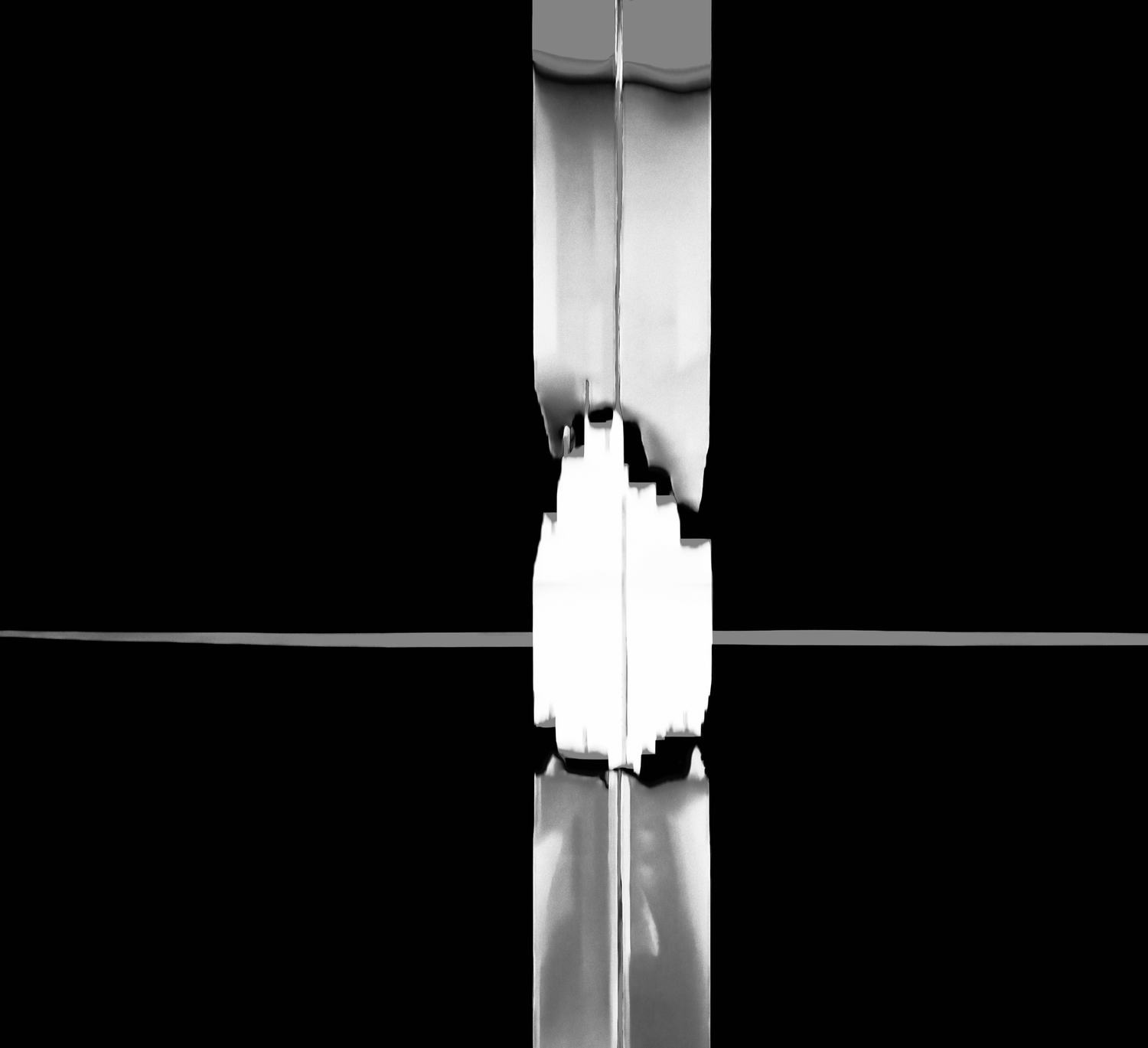
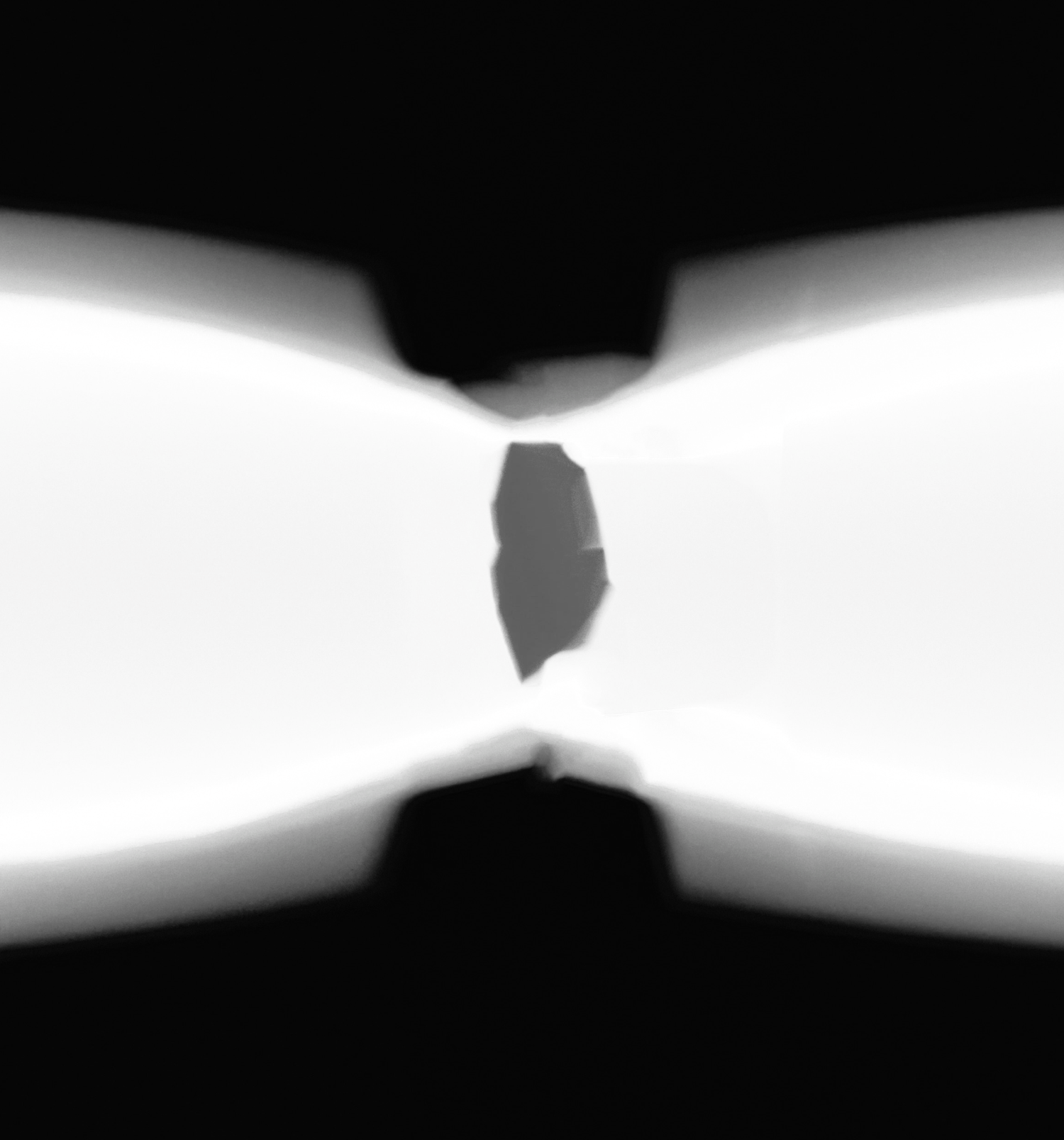
Preliminary studies reduce the idea to value, axis, tension and balance. Light and texture are removed so the compositional logic of the motion can be seen.

These monochrome experiments establish the underlying rhythm: forms converge, separate and remain suspended between coherent object and passing event.
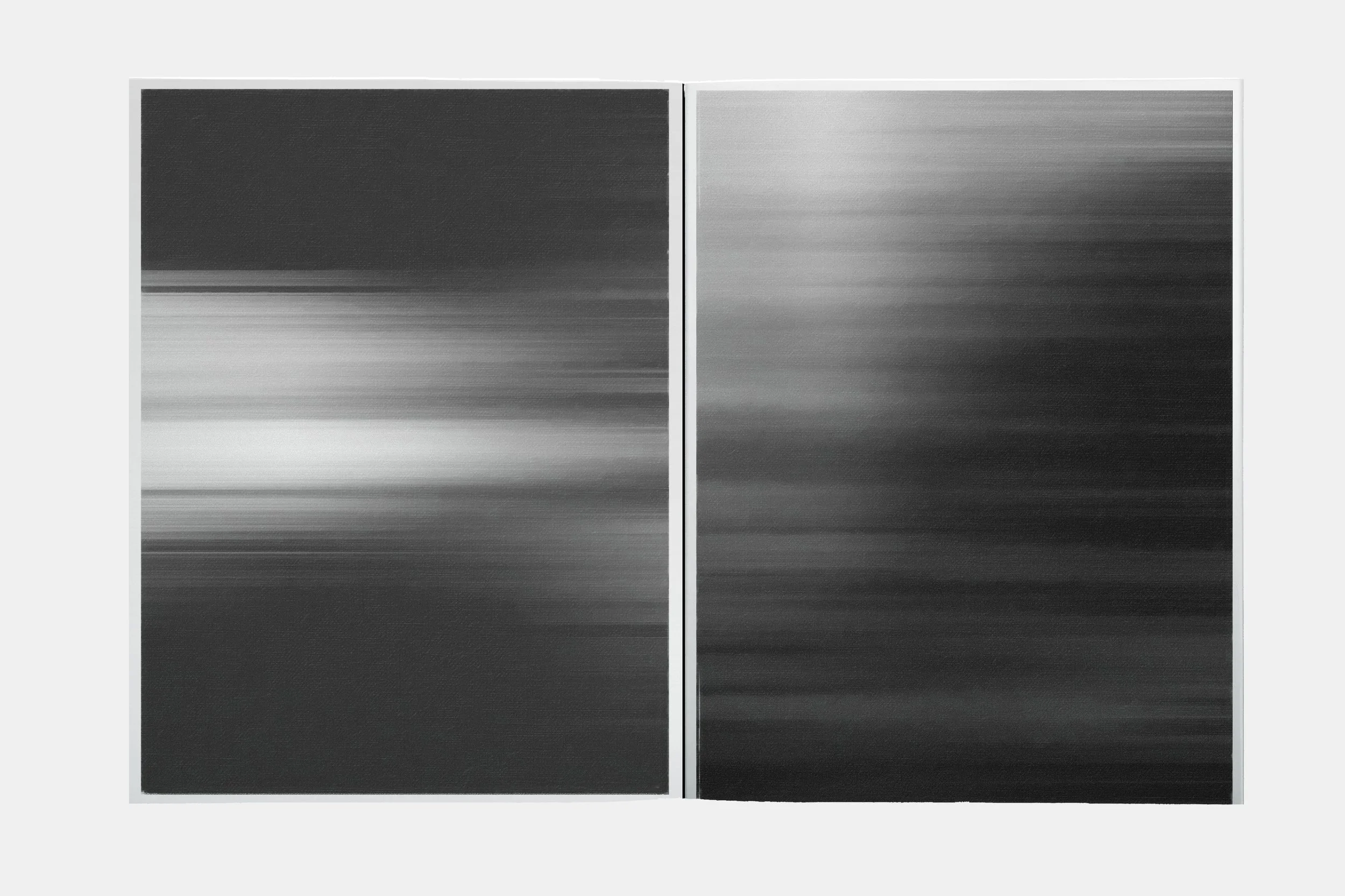
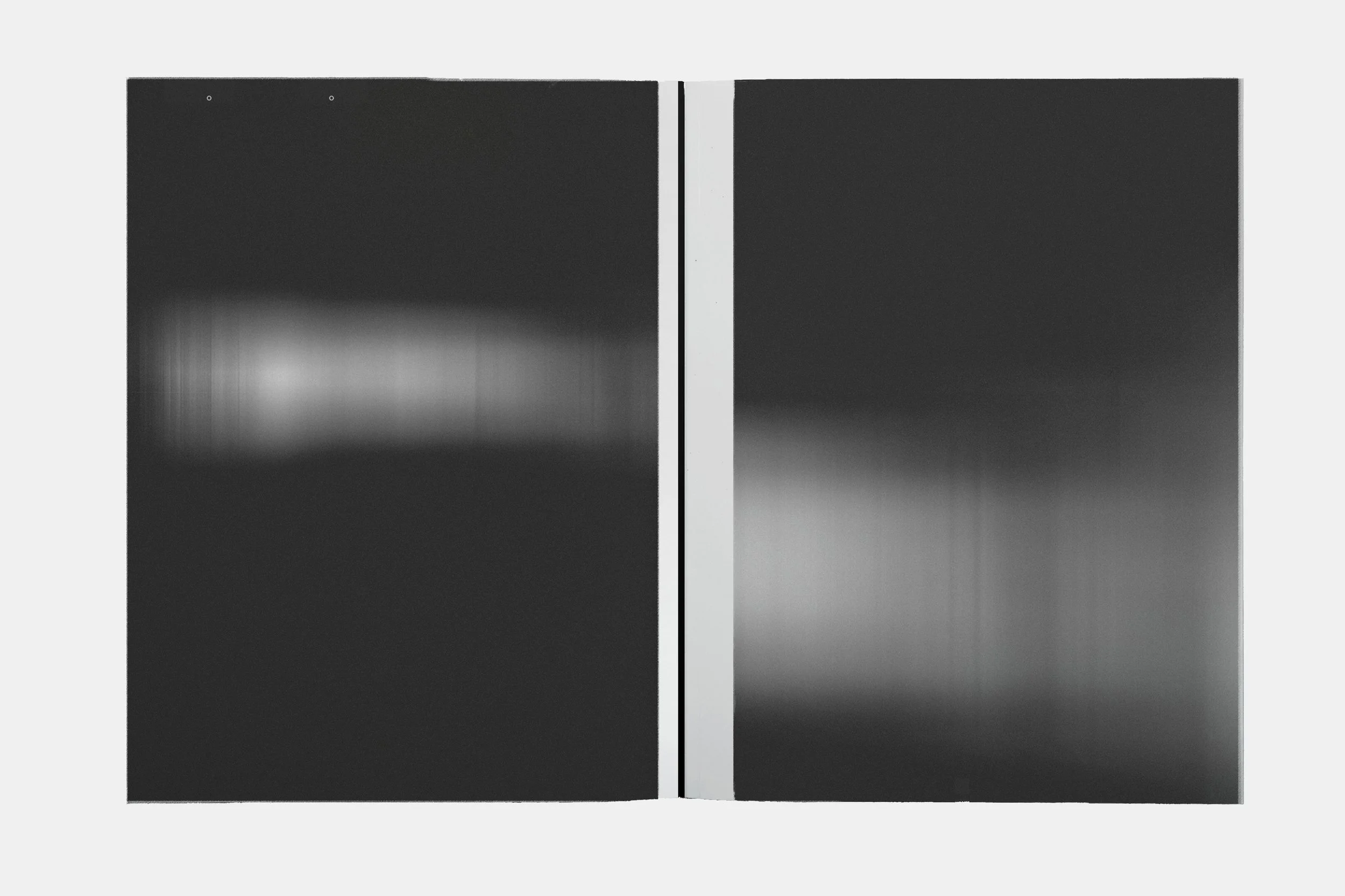
Open sketchbook showing two monochrome horizontal studies of motion and atmosphere
Initial tonal studies01
Open sketchbook showing monochrome fields of light and movement
Temporal field studies02
Black forms displaced horizontally across a white field
Non-local motion03
Mirrored black and white structural composition
Operator study04
A vertical white form held against a black field
Motion axis05
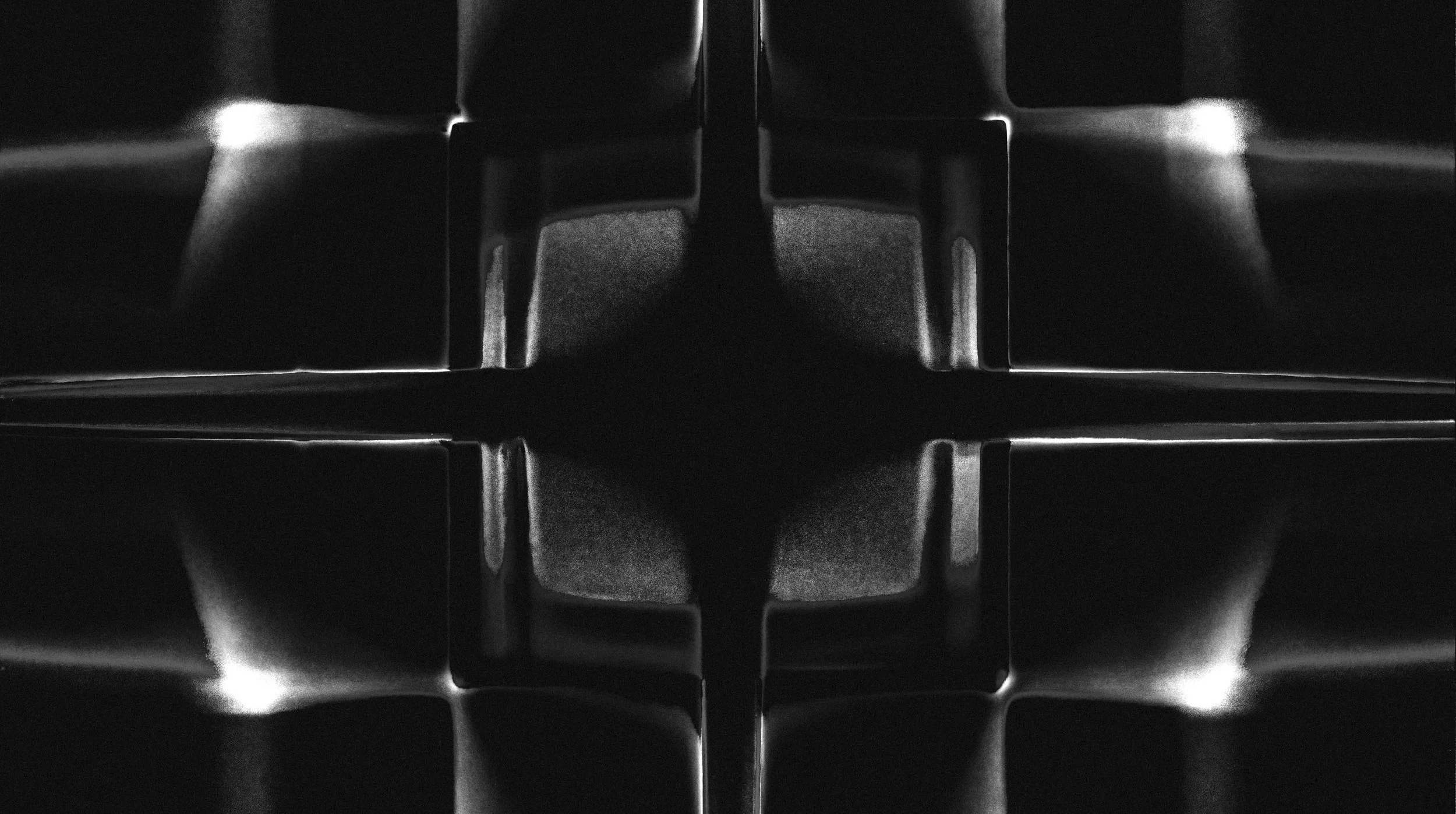
An abstract dark form suspended between opposing white planes
Form in tension06
Mirrored monochrome blocks of light forming a balanced spatial system
Structural balance07

Illumination defines the geometry.

Ripples, apertures and reflected surfaces test the point at which light begins to read as material. Each image holds a tension between field and object.

Repeated and mirrored forms suggest an undivided system: individual structures appear distinct while remaining expressions of the same underlying motion.
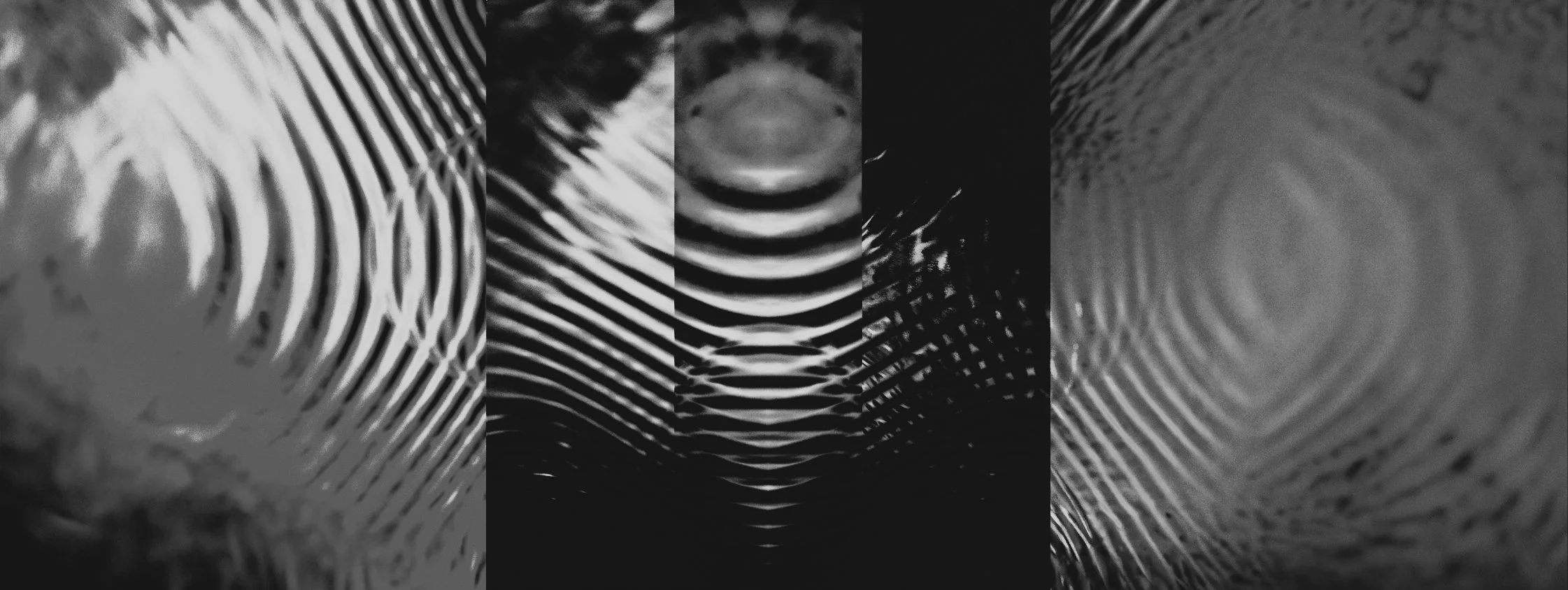
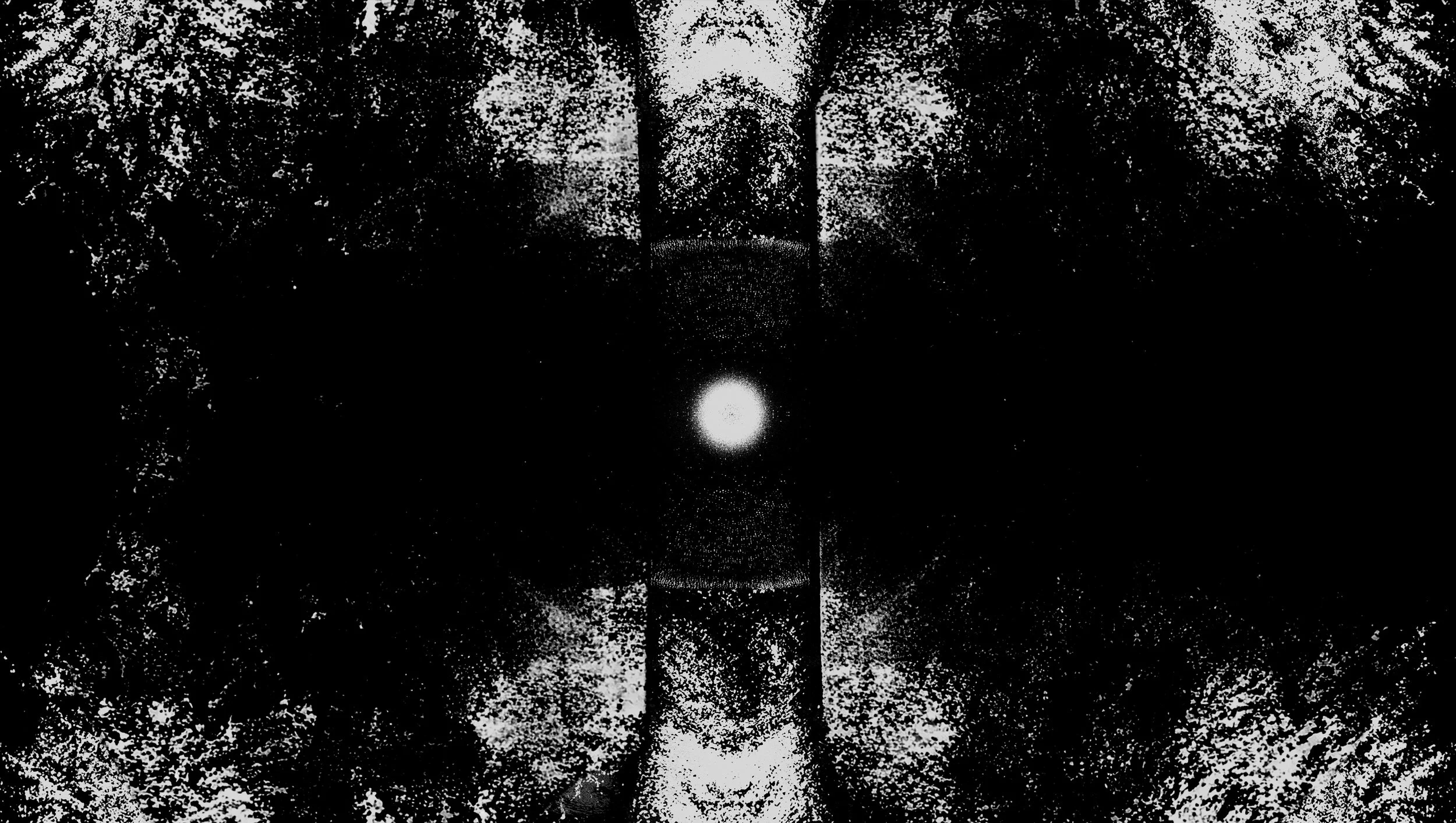
Monochrome ripple studies assembled into a rhythmic field
Wave interference01
A white point of light emerging from a dense black mirrored field
Emergence point02
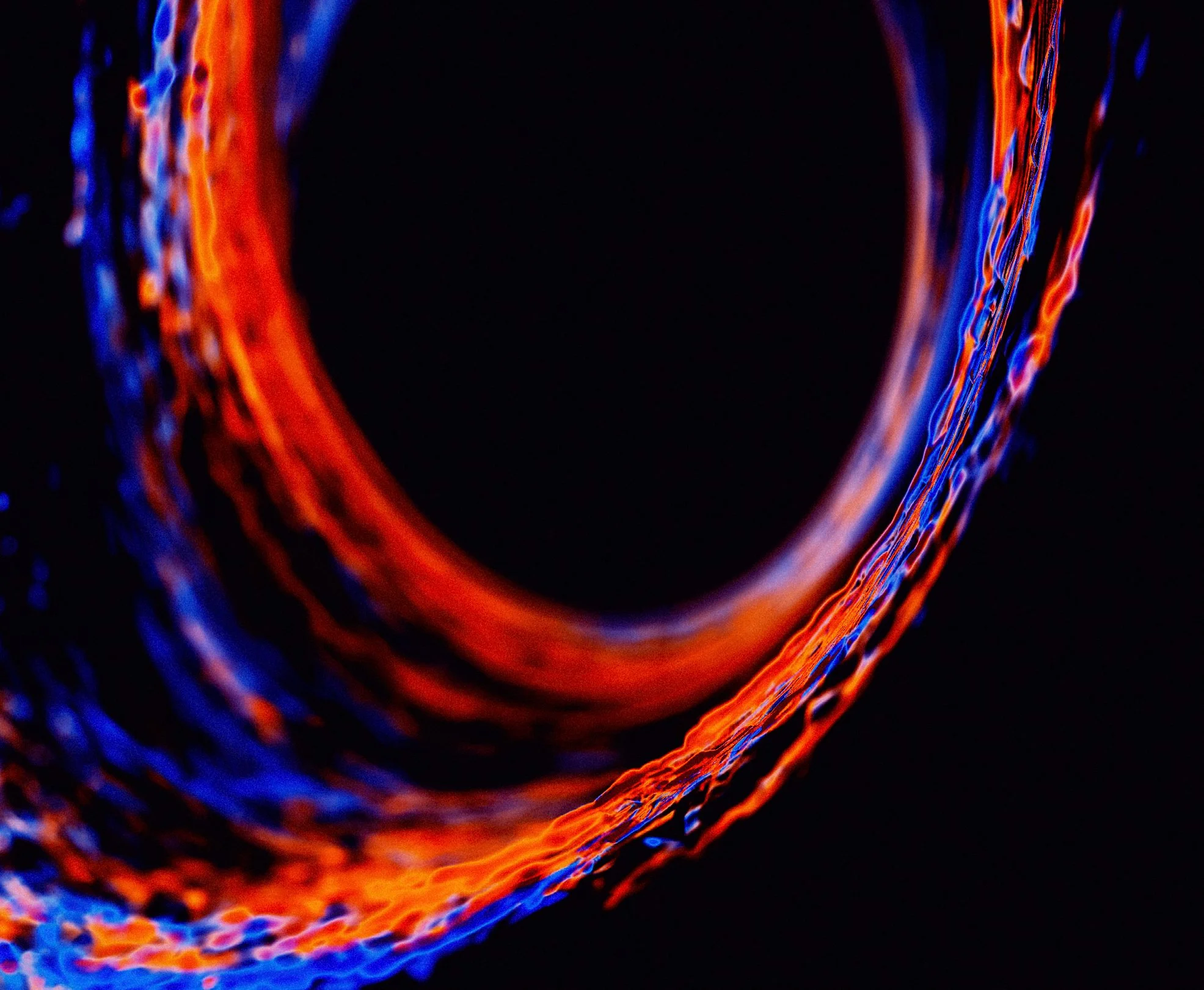
Red and blue illuminated material forming a dark circular aperture
Illuminated aperture03
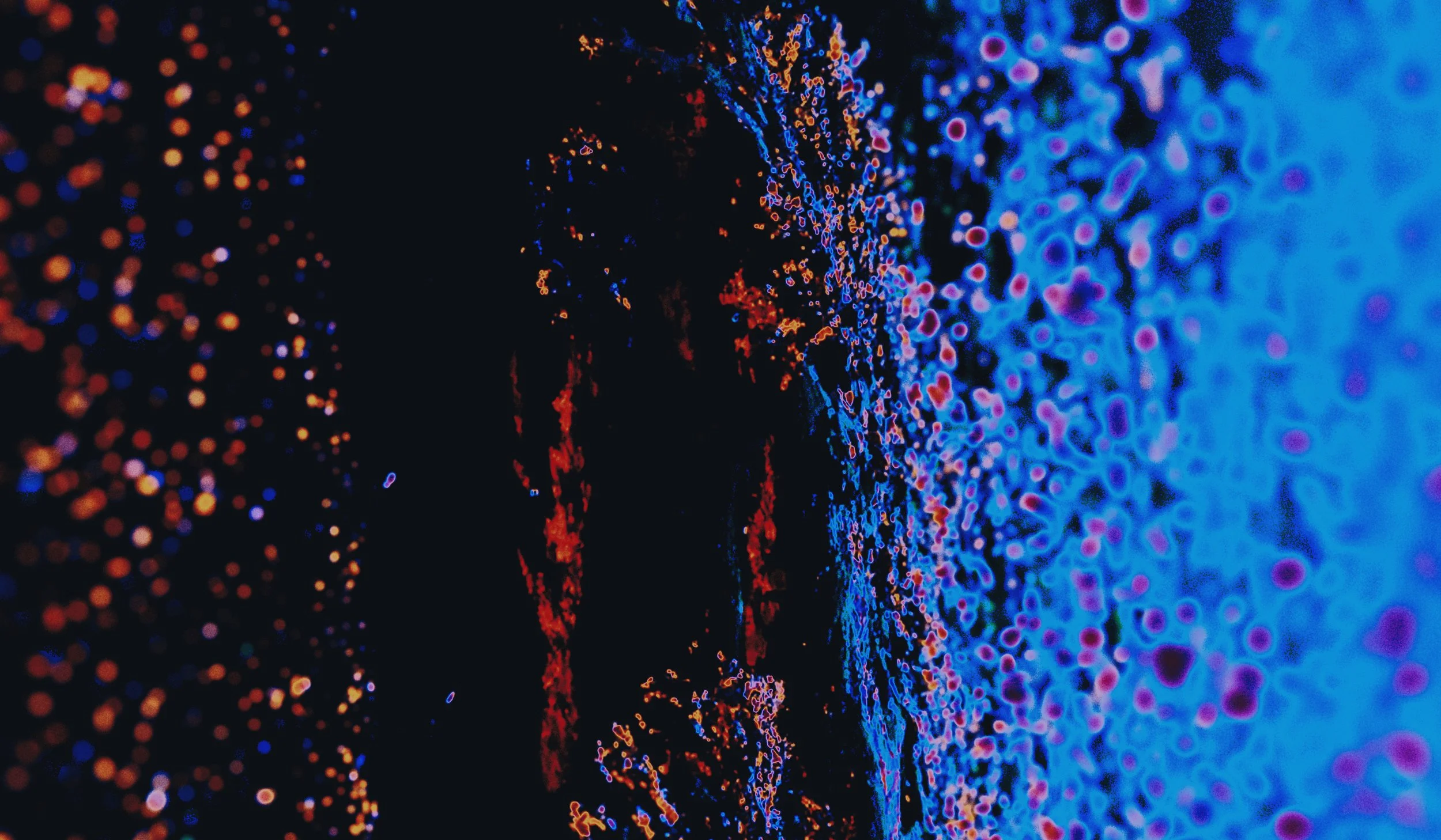
Blue and orange particles moving around a dark central field
Energy field04
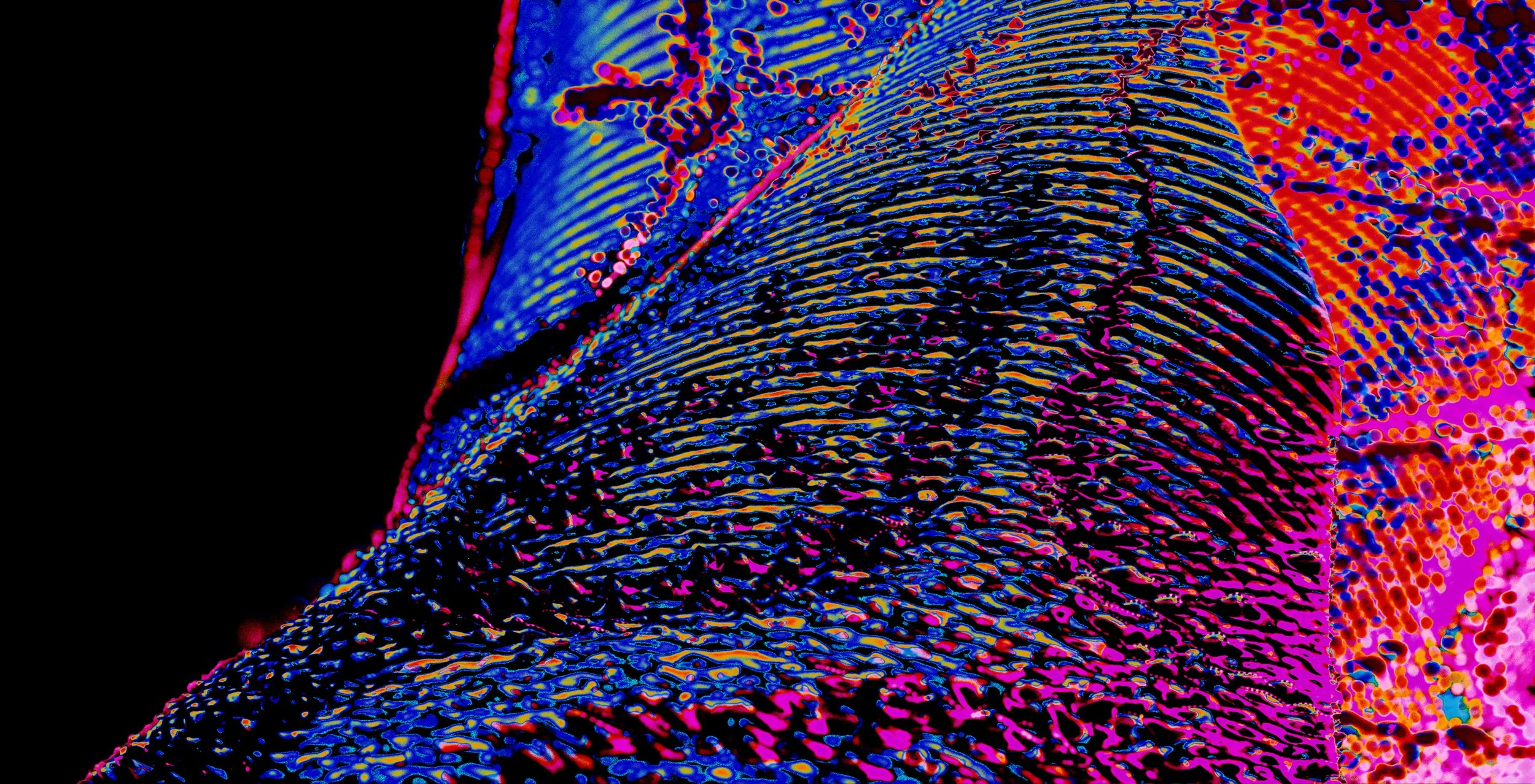
Saturated red and blue interference patterns across a curved surface
Surface vibration05
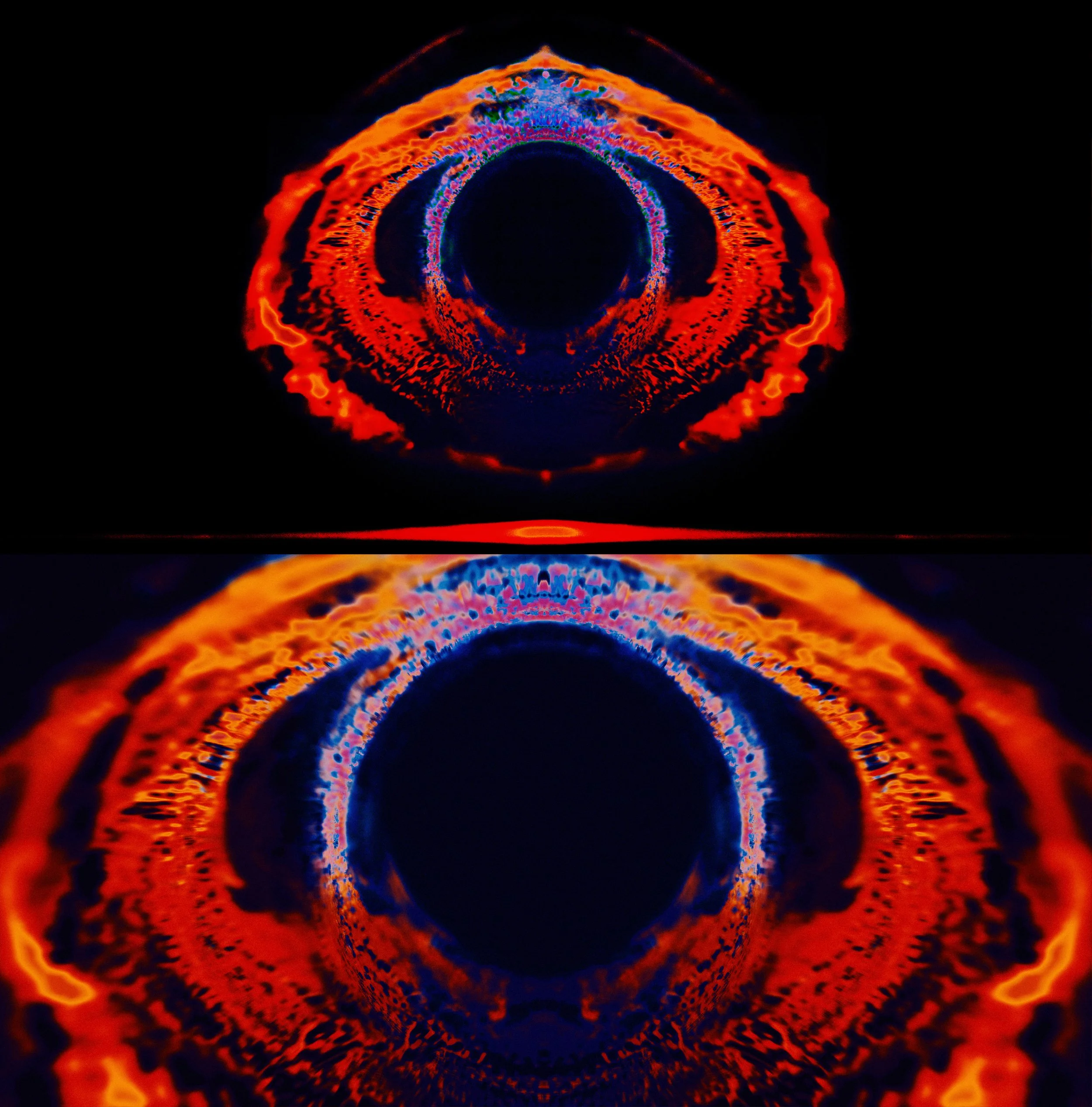
Two stacked orange and blue circular forms converging around a dark centre
Geometric convergence06
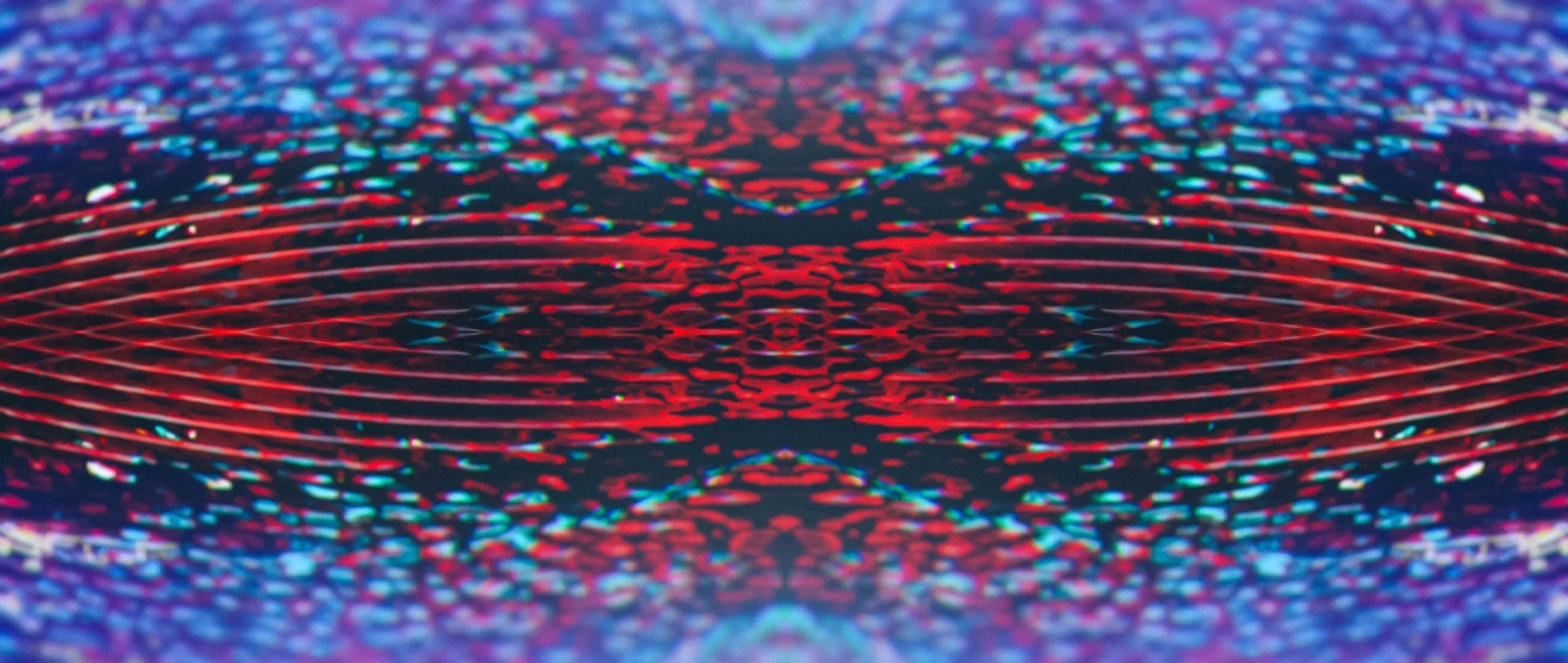
Mirrored red, blue and green ripples forming an energetic horizon
Vibratory pattern07
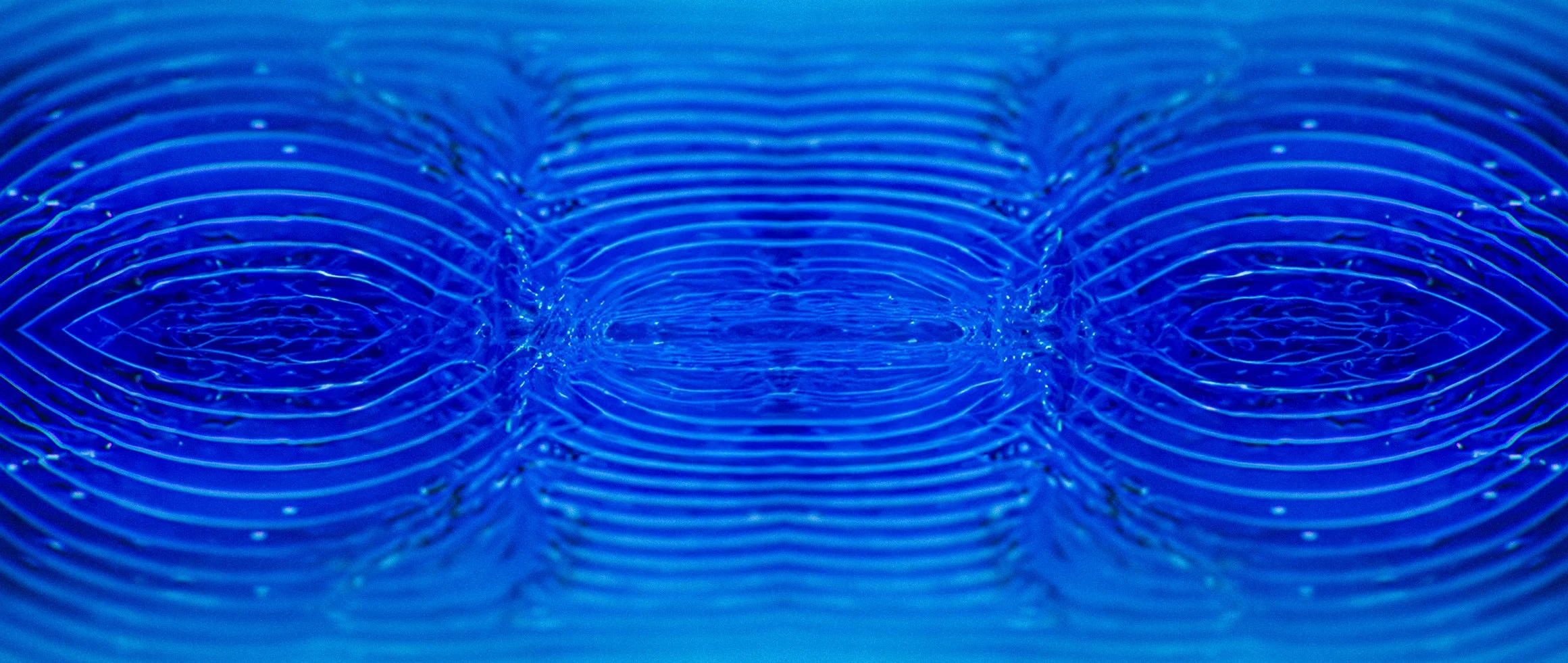
Blue concentric ripples mirrored across a central axis
Coherent field08
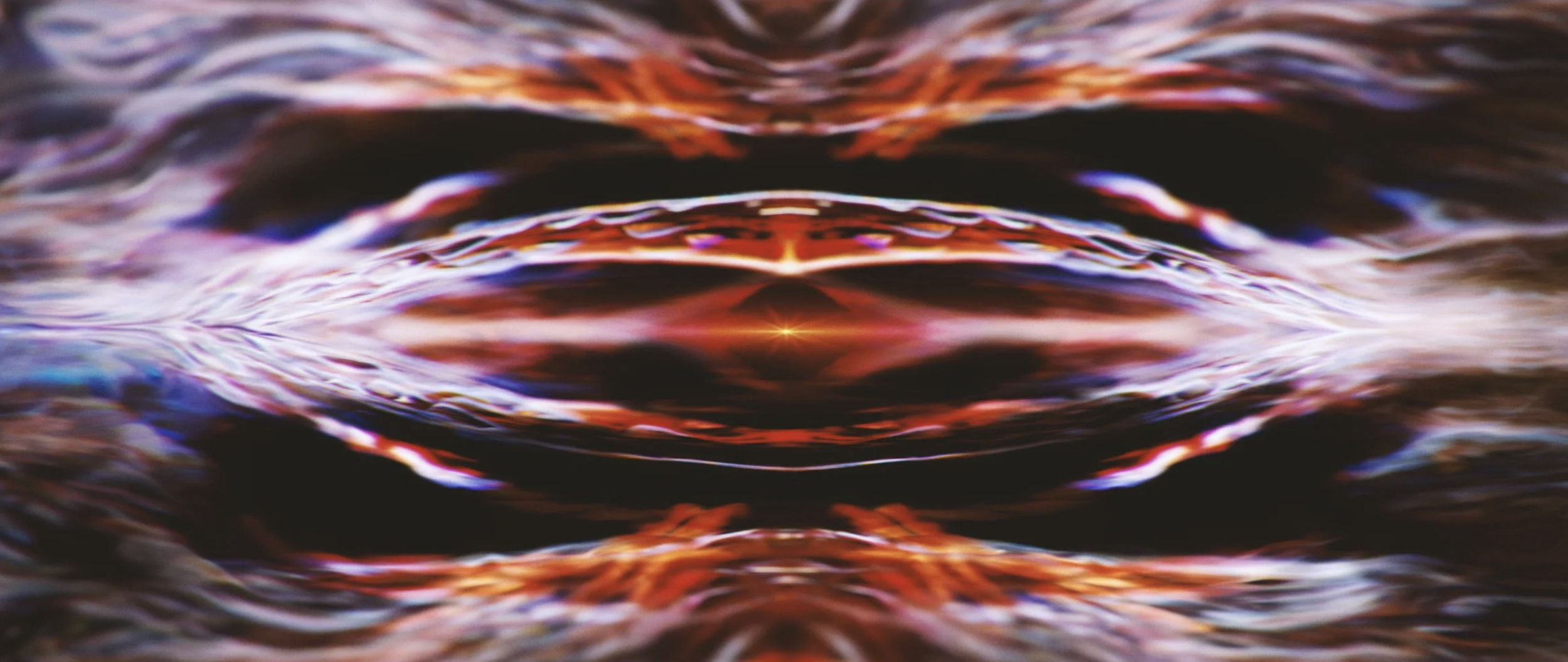
A warm mirrored band of light folding around a dark centre
Light folded into matter09

Structure becomes momentary.

Colour bands and geometric fragments are treated as energetic fields rather than stable shapes. Horizontal displacement and chromatic separation imply energy passing through the image plane.

The forms emerge, dissolve and reform. What appears solid in one frame becomes vibration in the next.
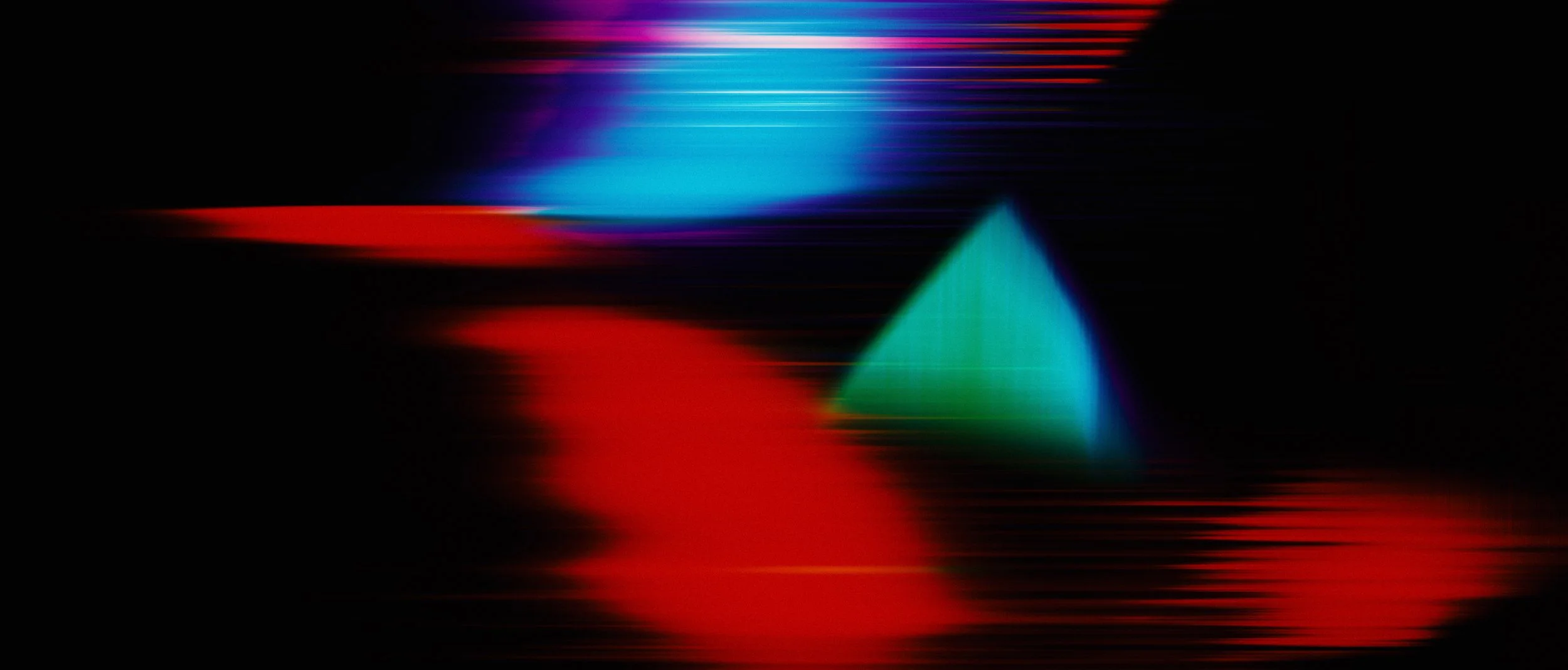
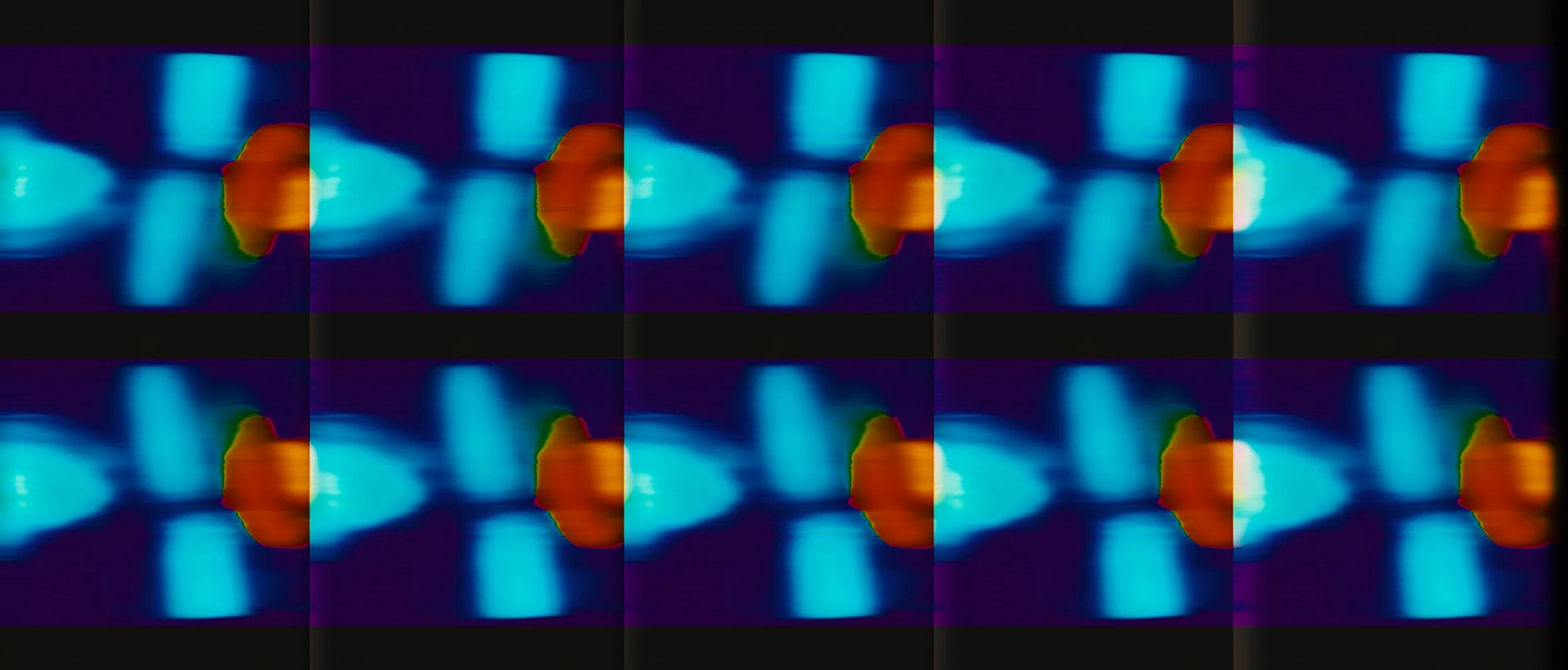
Red, blue and green geometric forms displaced horizontally through a black field
Directional motion01
A repeated sequence of blue and orange forms arranged as a motion study
Temporal sequence02
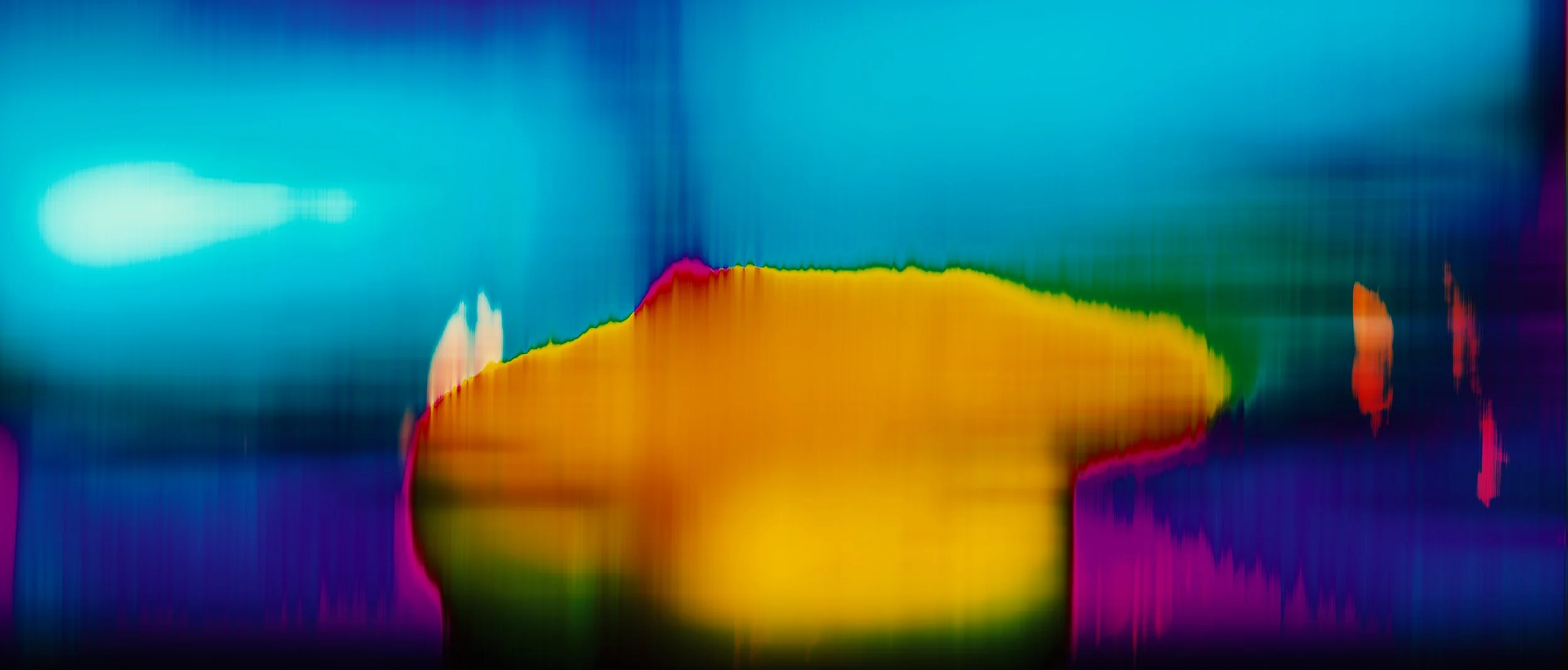
A yellow form suspended within a luminous cyan and violet field
Energy-field composition03
Blue and orange forms dissolving into a dark chromatic field
Layer depth and density04
Red, blue and amber fields fragmented by vertical and horizontal interference
Perceptual interference05
Cyan, green and red forms crossing a vertical dark axis
Chromatic axis06
Red illuminated shapes mirrored across a black horizontal field
Unbroken field07
Red horizontal motion bands converging around a luminous blue centre
Convergence in motion08

A fixed point inside a shifting field.

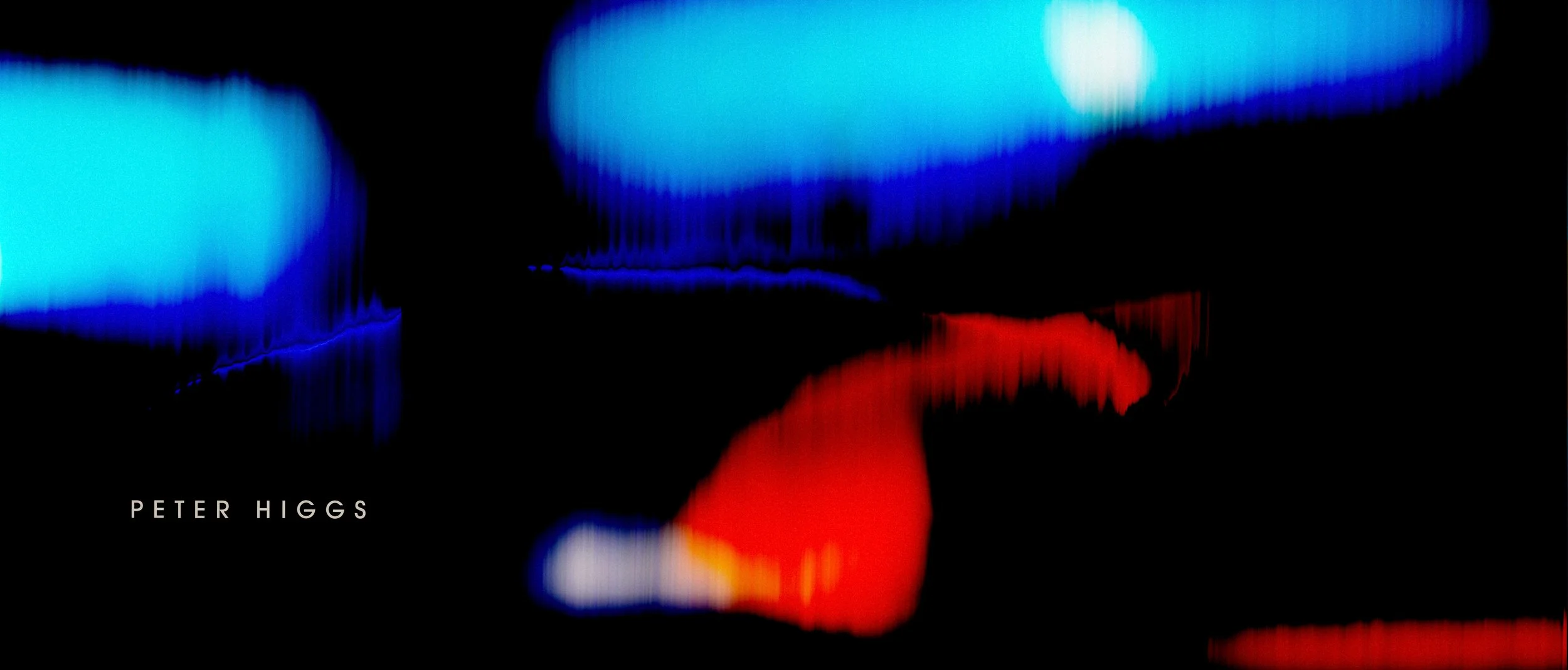
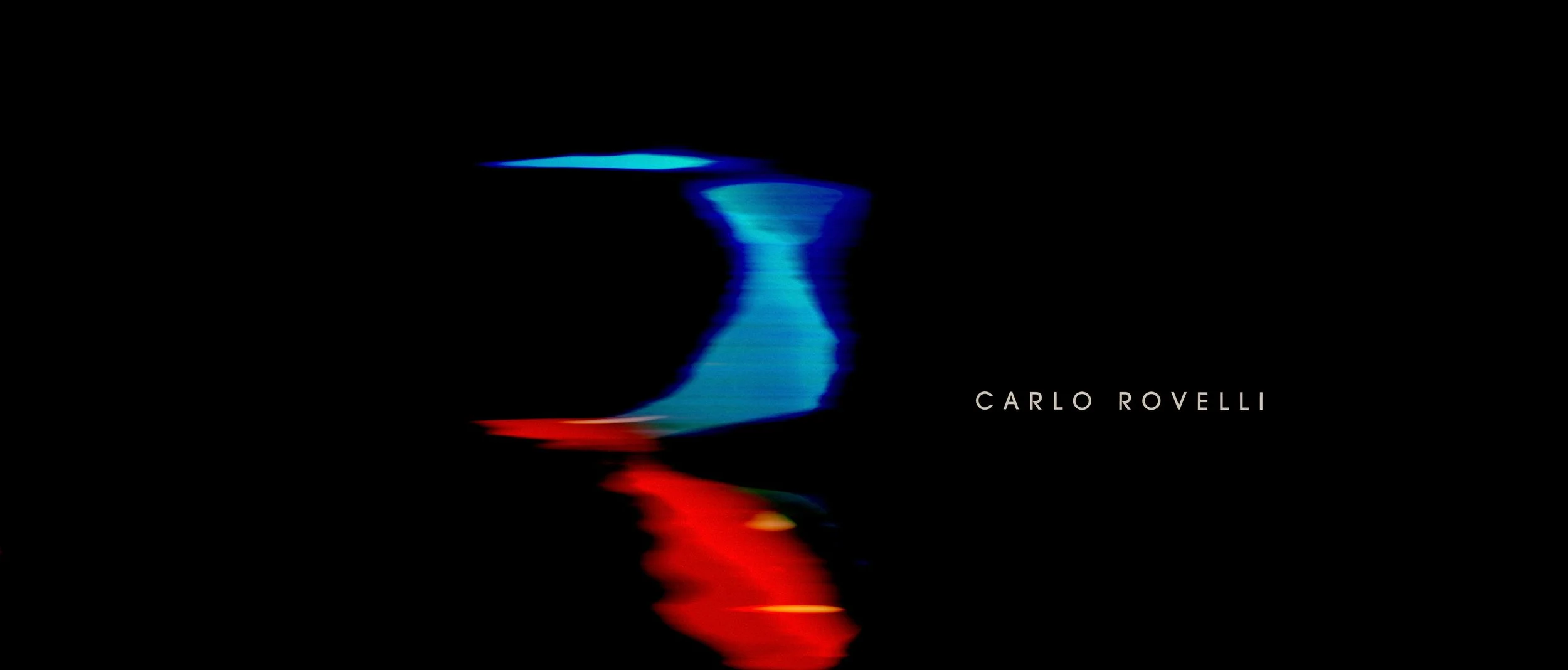
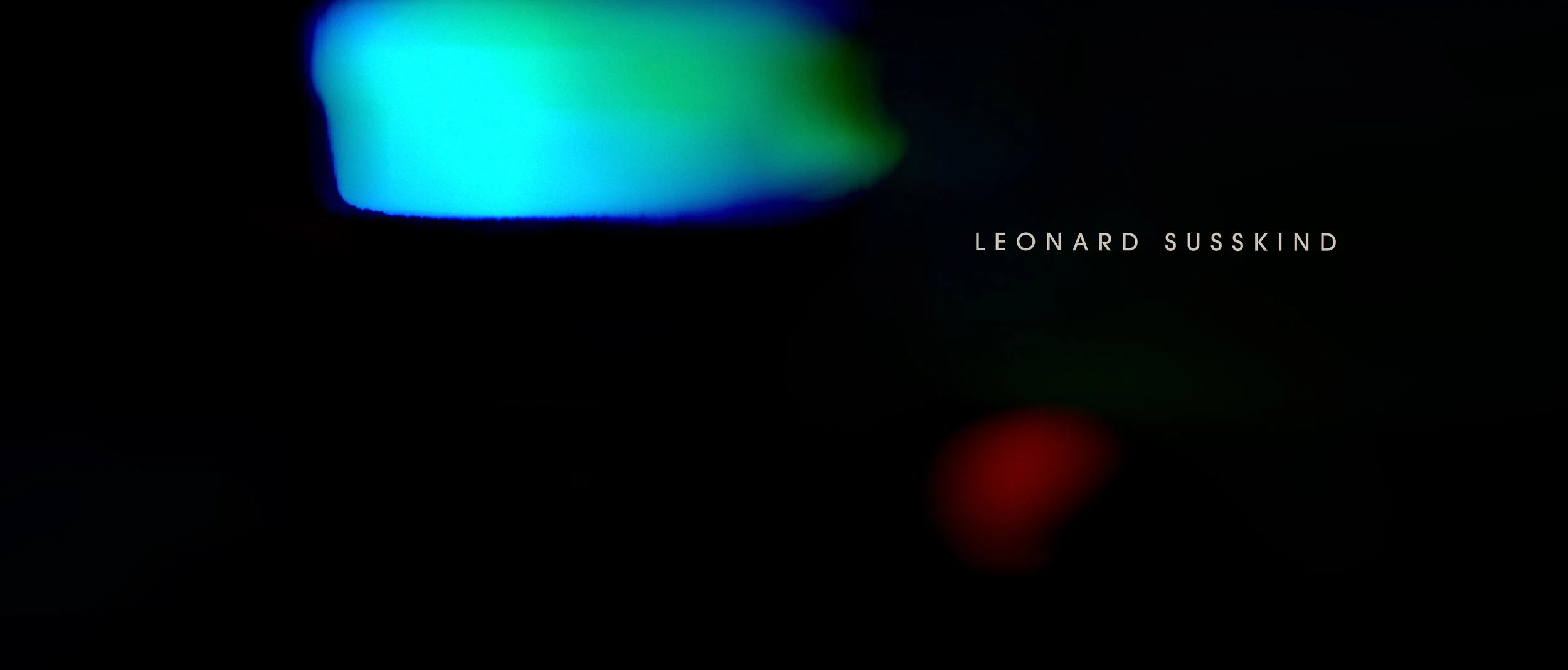
Typography introduces clarity without stopping the motion. Names remain quiet and stable while the surrounding image stretches, fractures and partially obscures itself.

Hierarchy, spacing and contrast are tested against changing colour density, allowing the type to feel embedded within the same energetic system.
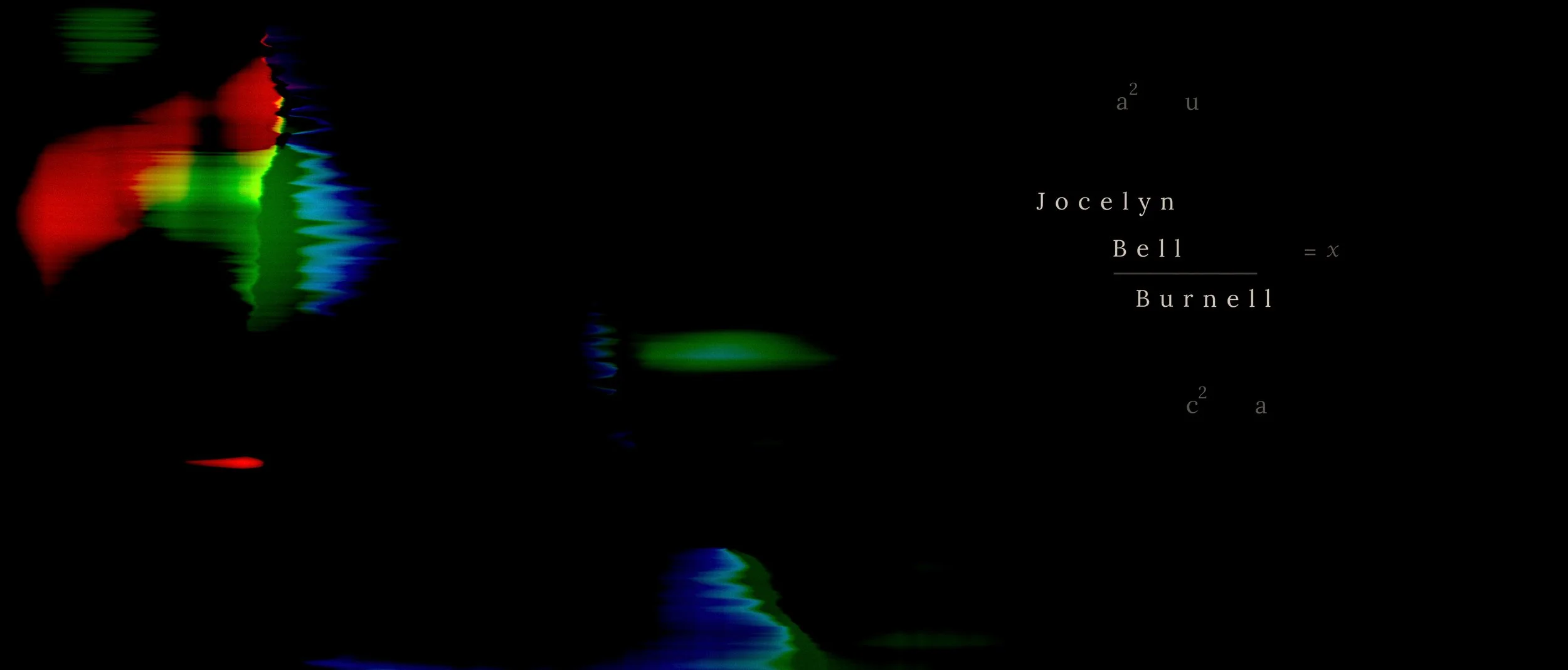
Jocelyn Bell Burnell credit held beside fragmented red, green and blue forms
Typography and energy flow01
Leonard Susskind credit within an abstract field of cyan and red light
Spatial rhythm02
Peter Higgs credit beside red and blue forms in motion
Directional alignment03
Carlo Rovelli credit held beside a vertically distorted field of blue and red light
Type and displacement04
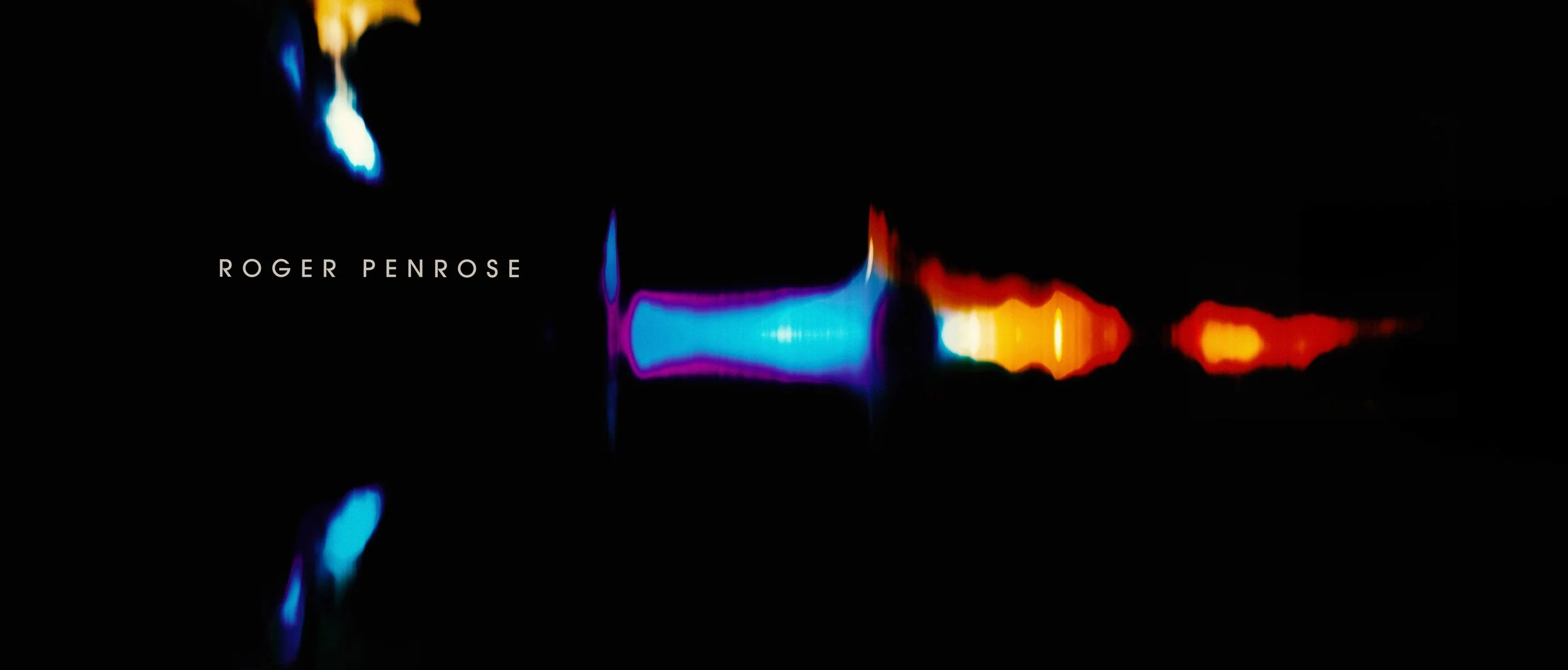
Roger Penrose credit beside a sequence of luminous forms
Scale and pause05
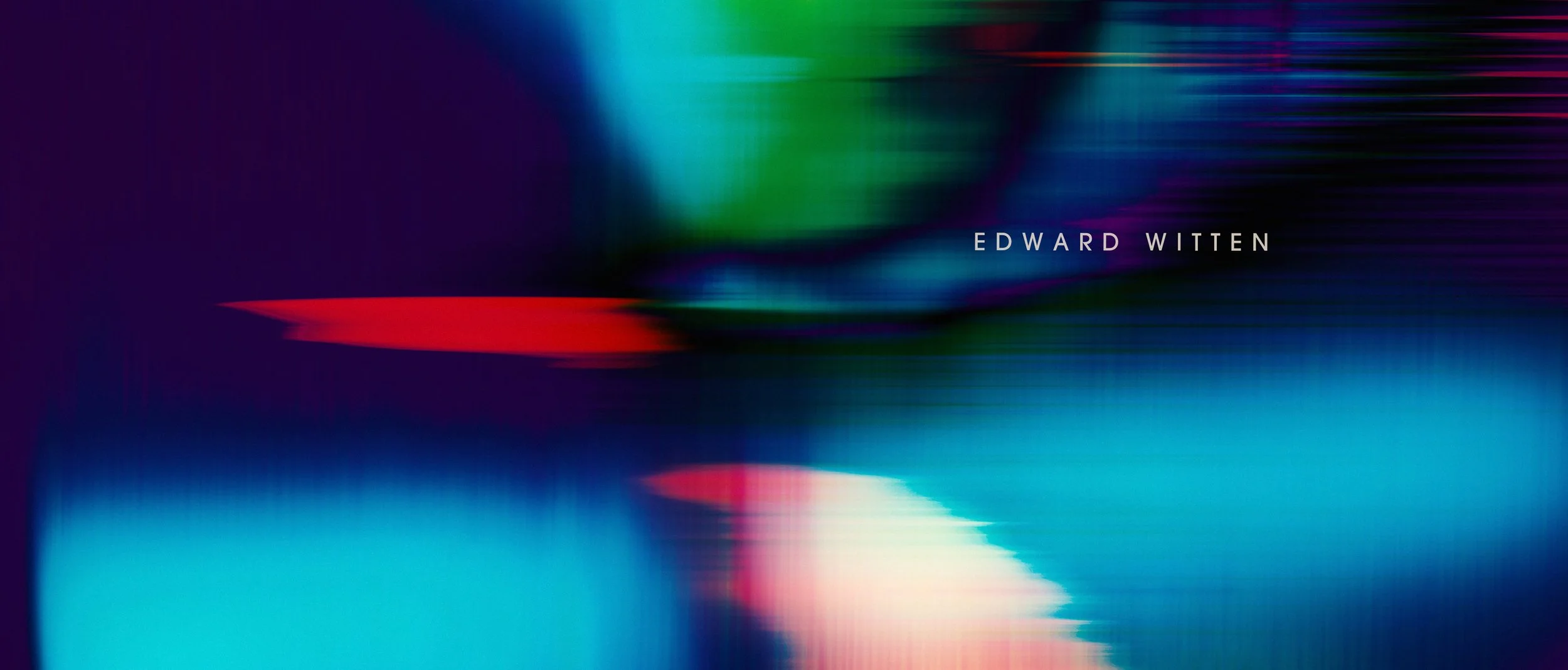
Edward Witten credit embedded within a cyan, violet and red motion field
Chromatic hierarchy06
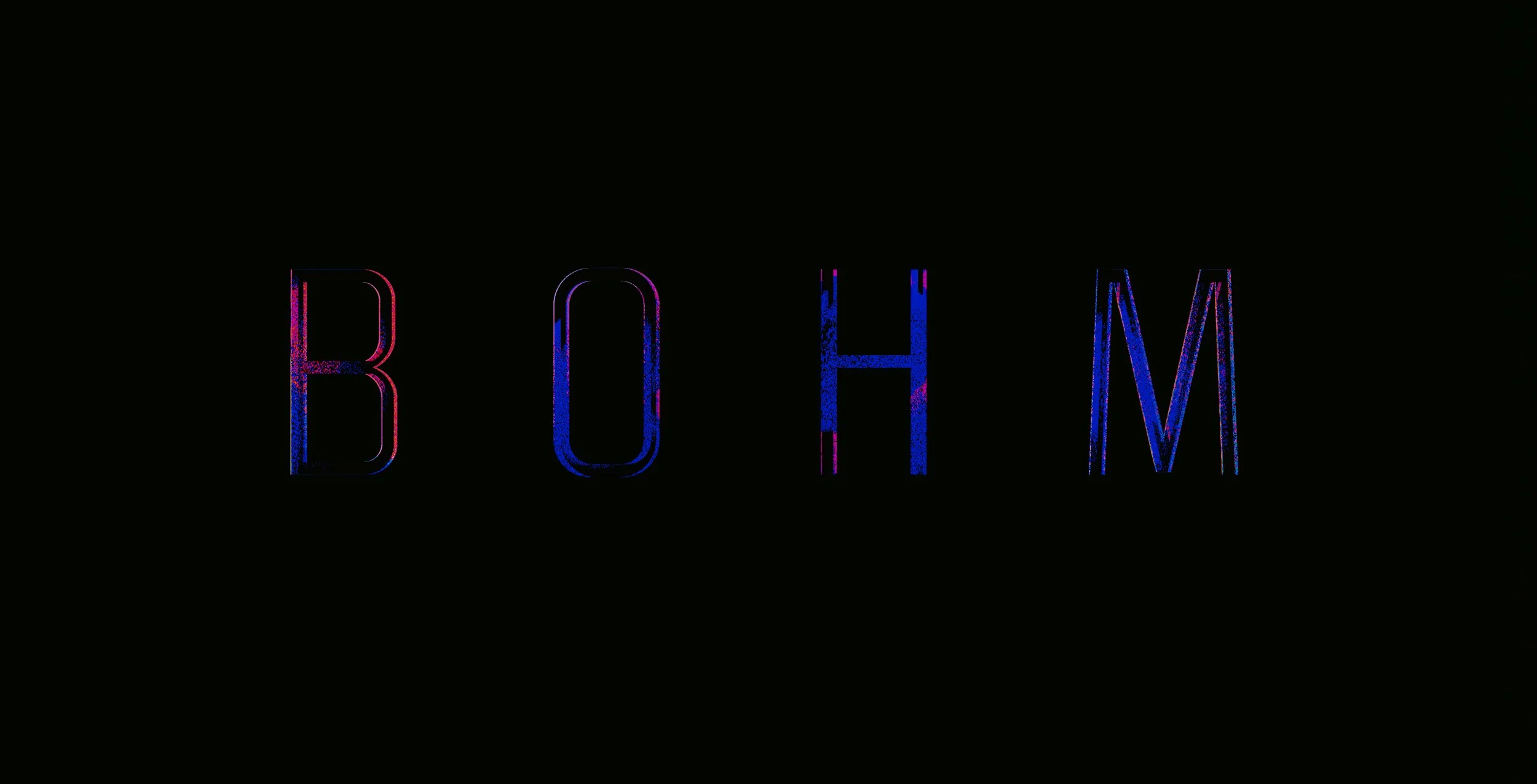
Bohm title reduced to fine blue and red letterforms against black
Final title reduction07

A visual system where form is an event.

Bohm develops a cinematic language from energy, coherence and transformation rather than literal scientific imagery.

Light, colour and geometry behave as one continuous material system, with typography acting as a measured point of stability.

The outcome is a speculative title world in which matter never fully settles — it appears as illuminated rhythm, held briefly in time.

Bohm

Project
TCTS Studio
Format
Original title-sequence concept
Role
Concept · Direction · Visual Development
Back to Projects